44 major vs independent record labels
Record label | Culture Wikia | Fandom Major versus independent record labels. Record labels may be small, localized and "independent" ("indie"), or they may be part of a large international media group, or somewhere in between.The Association of Independent Music (AIM) defines a 'major' as "a multinational company which (together with the companies in its group) has more than 5% of the world market(s) for the sale of records or ... Independent label vs The Major labels. Pros and Cons! - Medium Indies don't have the purchasing power of major labels, and with a small roster, they have fewer strings to pull with the media. Also, the smaller the label, the less influence, and power within ...
Ep. 03 - Whats the difference between: Major Vs Independent Record ... Website: up A Call: Infopack: ...

Major vs independent record labels
Being an Independent Artist vs. Signing to a Record Label The Cons of Signing with a Record Label. 1. Limited creative control: Signing with a record label gives them control over your music. The label can make deals and decisions with your music without your approval. They also have full control over distribution, marketing, artwork, messaging, and more. Major vs independent record labels - slideshare.net 1. Major VS Independent Record Labels By Sophie Scott. 2. Major Record Labels Independent Record Labels Record label operating without the funding of or outside the organisations of major record labels. A great number of bands and musical acts begin on independent labels. Major vs. Independent Music Company | Exploration The terms "major" and "indie" (independent) can be applied to many different entities in the music business. While we most often think of the words in the context of artists and record labels, they can also be refer to publishing, distribution services, radio stations, and virtually any other sector. "Indie" has even become its own ...
Major vs independent record labels. What is the difference between a Major record label and an Independent ... Study now. Best Answer. Copy. Major - is a branche of some big record label. Independent - nor depend to any labels.. A major record label is like Capital, Universal, MCA, BMG, etc. which have a ... Ep. 04 - Whats the difference between: Major Vs Independent Record ... Ep. 04 - Whats the difference between: Major Vs Independent Record Labels Part 2. Sirr Love breaks down the major differences that separate record labels and gives key advice to anyone considering ... Record label - Wikipedia Major versus independent record labels Record labels may be small, localized and " independent " ("indie"), or they may be part of a large international media group , or somewhere in between. The Association of Independent Music (AIM) defines a 'major' as "a multinational company which (together with the companies in its group) has more than 5% of the world market(s) for the sale of records or music videos." How and Why Major and Independent Labels Work Together - Music Biz Academy There are numerous types of deals between independent and major labels, the most common of which are as follows: (1) Pressing and distribution (P&D) deals; (2) distribution only deals; (3) fulfillment deals; (4) production deals; (5) joint ventures; (6) equity deals; (7) the licensing of records to major labels; (8) the licensing of records from major labels; and (9) rights buyouts.
It's Easier Than Ever To Be Independent, but Major Labels Still ... 91.9% of the Top 10 chart weeks (Billboard 200 + Hot 100) between 2010 and 2018 have come from major labels. It's even higher for hip-hop: 93.3%. If we're judging the impact of streaming on ... Independent Label vs. Major Label Contracts | Performer Mag This can be for several reasons: 1) Indies distributed by a major will have to sign major—label deals themselves with that major. The indie would therefore want to make sure the same issues are covered in its contracts with its artists as are covered in its contract with the major. Indie Label vs Major Label: which is best for you? - Kore Studios Cons: Money is tighter - while the smaller size of indie labels has its benefits (as mentioned above) it also has its drawbacks. The biggest of these, unsurprisingly, being its lack of funds. Indie labels can't provide the financial support that major labels can. RECORD COMPANIES The Difference Between Major, Major Minor, Imprint and ... Independent: Record companies are not under the control of a major label and are generally considered to be independent, or indie, labels, even if they are large corporations with complex structures. Some prefer to use the term "indie label" to refer to only those independent labels that adhere to a random, ill-defined criteria of corporate ...
Indie Labels vs Major Labels: Differences & Which is Right For You For many, it's a more realistic goal and there are advantages of signing with a smaller, independent label. Pros and cons of independent record labels. Pros: Deals that are more artist-friendly; More creative freedom and development for the artists; A closer team that can give you more attention; Cons: Smaller budgets compared to majors Major Labels vs Independent Labels | Differences Between ... - TeenStar Pros and cons of major record labels While the pros of a major record label may amount to a small list, bear in mind the value of each of these pros is immense. Pros Established powerful connections and influence. Vast funding for top-quality recording facilities. A global promotion and distribution capability. Independent Record Labels Vs. Major Record Labels by Jimmie Smith - Prezi Major Record Labels. Merchandise: $21.99 each *120,000 = $2,638,800. Touring: 50 states; 3 shows for each state at $10,000 a show in ticket sales = $1,500,000. Royalties for airplay: 120,000 requests at $20 each play = $2,400,000. Total: $6,538,800. so now, with all of the calculations being done to produce and manufactor the album. Independent labels vs major labels - SlideShare Independent labels vs major labels 1. INDEPENDENT LABELS VS MAJOR LABELS Step One By Cammie Hall 2. DOMINO RECORDING COMPANY Step 1 3. WHO ARE THEY? • The Independent Label that I have looked at is a UK based Label called 'Domino Recording Company'. •... 4. WHAT ARTISTS DOES THE LABEL PROMOTE? • ...
Independent labels vs The Major labels
33 Independent Record Labels You Should Know | Complex R&S. Year founded: 1984. Notable artists/releases: James Blake, Nicolas Jaar, Paul White. R&S may be one of the oldest indie labels on this list, but it hasn't yet lost its sense for ...

Record labels in the U.S. - Statistics & Facts | Statista
Top Independent Record Labels Every Music Artist Should Know In 2022 ... Tighter Funding - The lack of money is the biggest downfall of independent labels. It takes a lot of money to market an artist and smaller companies can't provide the financial support that a major record label could. Less money means the label may not be able to afford big venues, tours, production, or fancy recording packages.

MAJOR RECORD LABELS vs INDEPENDENT Labels - Which Is BETTER for You?
Major vs. indie: Should you sign a record label deal? Generally speaking, a major label has more financial capacity for marketing and recording than an indie label. However, just because a major label has resources does not mean that you will get the benefit of those resources. If the major label decides it would rather invest its funds elsewhere, you might even be worse off. A major label has a larger roster of potential collaborators, but that doesn't mean those artists want to, or are able to, work with you.
Indie VS Major Record Label: The Major Differences ...
Record Labels: Major vs. Indie - XNilo Records At the end of the day, the biggest Pro of a Major label is their budget. It's their large budget that supplies almost every pro that a Major Label can offer. Such as (but not limited to):-High Quality Recordings (Quality studios with real knobs and buttons. Don't touch that!)-Production (Engineers that will cover your mistakes with professional auto-tune. Yay!)-Major Distribution (Now friends can buy your CD at Wal-Mart AND Target.. Sha-weet!)
Major Record Label V s Independent Record Label. 4AD As ...
Indie vs. Major Record Labels: Which is Right for You? They are generally not affiliated with or funded by the three major records labels. Also, indie labels work with other smaller companies for distribution and publishing. Many consider boutique and indie labels as artist-friendly. They also offer many other benefits that may be more important to the artist. However, they don't have the funding for artists that major labels can provide. Indie vs. Major Record Labels
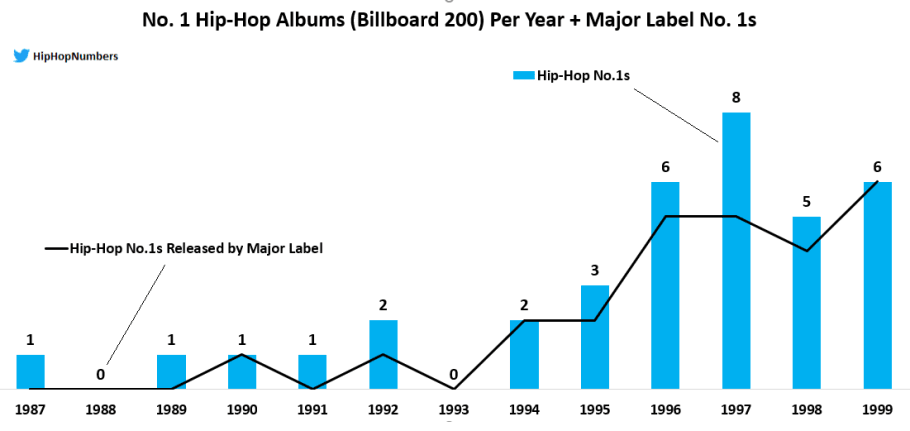
It's Easier Than Ever To Be Independent, but Major Labels ...
Indie Vs. Major: Which Record Label Contract Is Right For You? • Close Personal Relationships: Independent record labels tend to have much smaller artist rosters than the larger, major record labels. Although this also means there is a smaller total staff employed by the label, artists typically work one-on-one with a representative who they can form a much more personal relationship with.
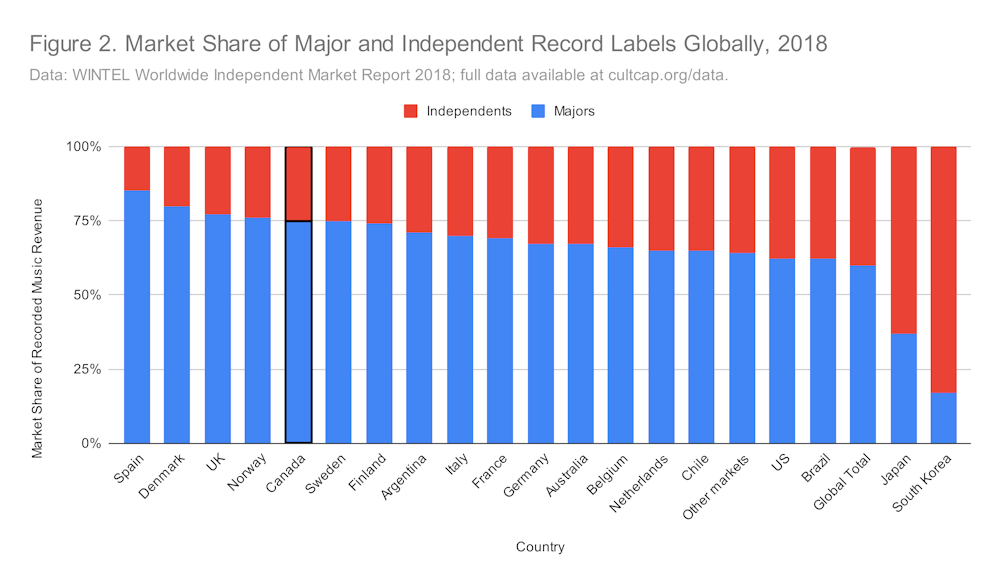
Artists' Spotify criticisms point to larger ways musicians ...
What's the Difference Between a Major Label and Independent Label Deal ... There are certain advantages with a major label deal. A major has more financial resources than an independent, more support staff and leverage in the marketplace. On the other hand, some new artists may feel that a major label is not paying enough attention to them and offers less creative freedom than an independent. Of course, getting signed to a major is just the beginning of the process.
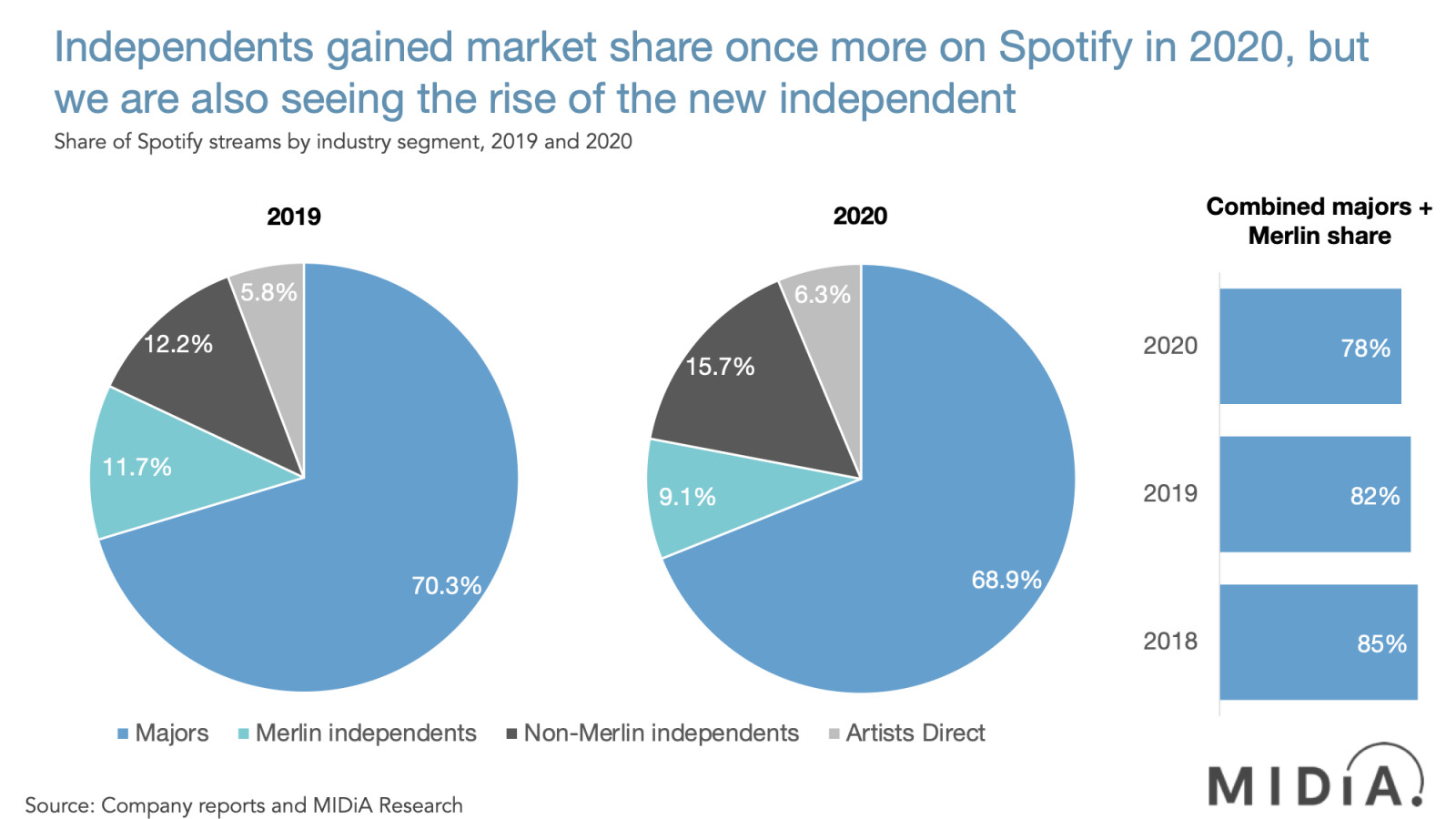
Smaller independents and artists direct grew fastest in 2020
Independent record label - Wikipedia An independent record label (or indie label) is a record label that operates without the funding or distribution of major record labels; they are a type of small- to medium-sized enterprise, or SME.The labels and artists are often represented by trade associations in their country or region, which in turn are represented by the international trade body, the Worldwide Independent Network (WIN).

Independent record label - Wikipedia
The Pros and Cons of Independent Record Label Deals - The Balance Careers Any music recording label that operates without the funding of the organizations of the major music labels is considered an indie label. While major labels are global and operate their own publishing and distribution companies, indie labels work with other smaller companies, either in long-term partnerships or in smaller contractual relationships for their distribution and publishing needs.
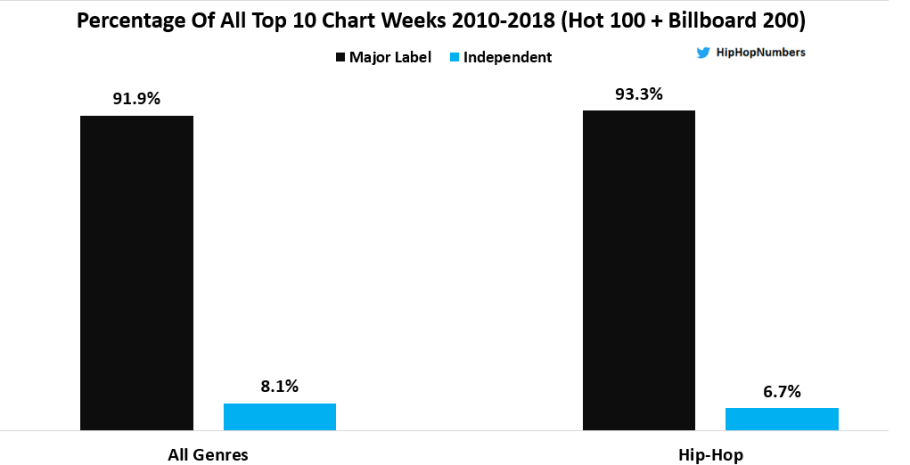
It's Easier Than Ever To Be Independent, but Major Labels ...
Inside Record Labels: A Look Inside Major and Independent Record Labels Inside an Independent Record Label Independent record labels come in all sizes and shapes. The large, well-funded indie labels are organized by departments much like the major label operations described above. The more money a label has the more they people they can hire to handle the various responsibilities of a label.
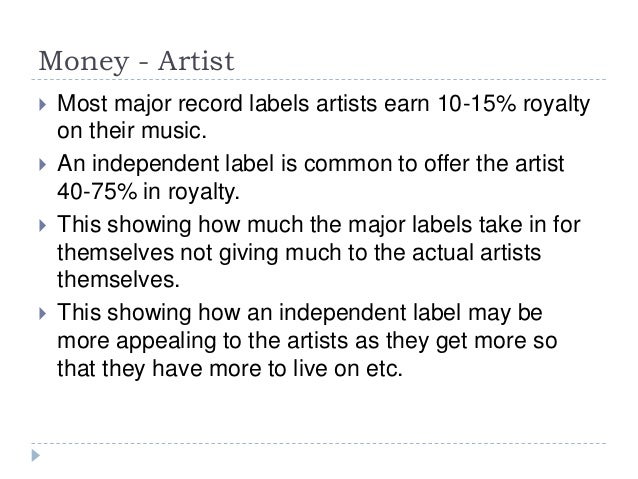
How to get Signed to an Independent Record Label | 5 Things ...
Major vs. Independent Music Company | Exploration The terms "major" and "indie" (independent) can be applied to many different entities in the music business. While we most often think of the words in the context of artists and record labels, they can also be refer to publishing, distribution services, radio stations, and virtually any other sector. "Indie" has even become its own ...

Major vs. indie: Should you sign a record label deal ...
Major vs independent record labels - slideshare.net 1. Major VS Independent Record Labels By Sophie Scott. 2. Major Record Labels Independent Record Labels Record label operating without the funding of or outside the organisations of major record labels. A great number of bands and musical acts begin on independent labels.

Indie VS Major Record Label: The Major Differences ...
Being an Independent Artist vs. Signing to a Record Label The Cons of Signing with a Record Label. 1. Limited creative control: Signing with a record label gives them control over your music. The label can make deals and decisions with your music without your approval. They also have full control over distribution, marketing, artwork, messaging, and more.
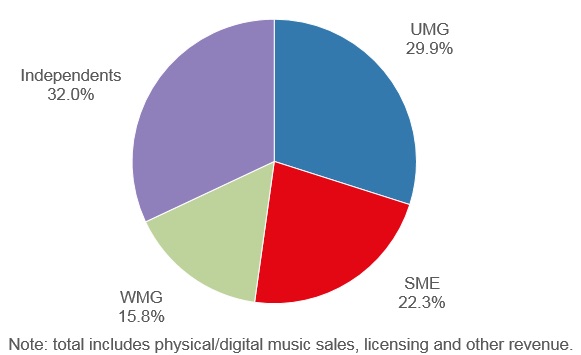
Collectively, Indie Labels are Now Bigger Than Any Major Label
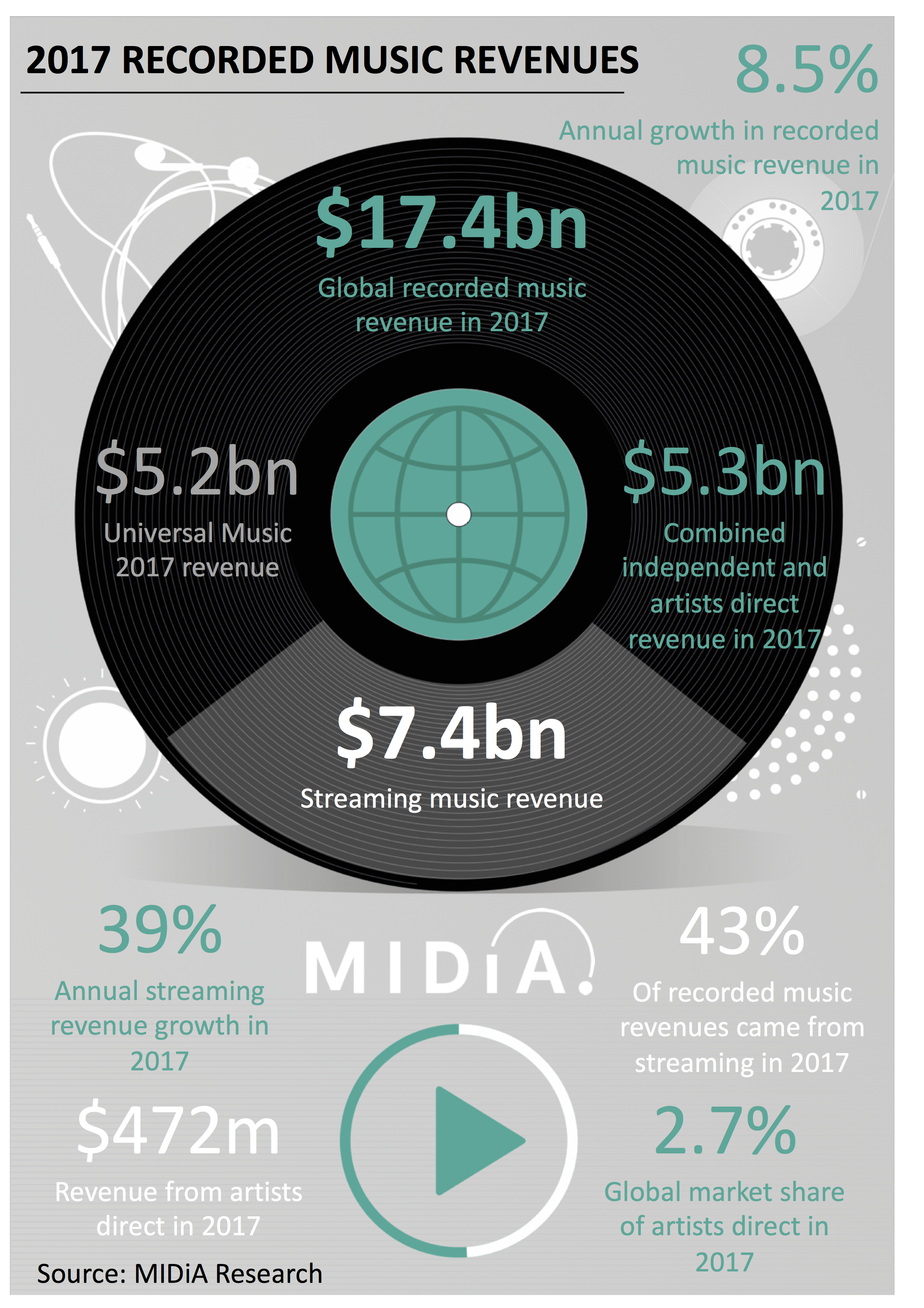
Global recorded music industry revenues topped $17bn in 2017 ...
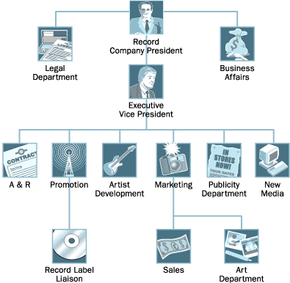
Organization of a Record Label - How Record Labels Work ...

142 dis.docx - Discuss the impact of independent record ...

Record label - Wikipedia

Major Labels vs Independent Labels | Differences Between ...
/GettyImages-463051146-573c81ea5f9b58723dcb1926.jpg)
The Record Label's Role in the Music Industry

Independent vs. Major labels: Who is growing faster? - Hypebot

Are Independent Music Labels Worse CROOKS Than Major Labels? The TRUTH EXPOSED!
Major vs. Indie: What really happens when you sign a record deal
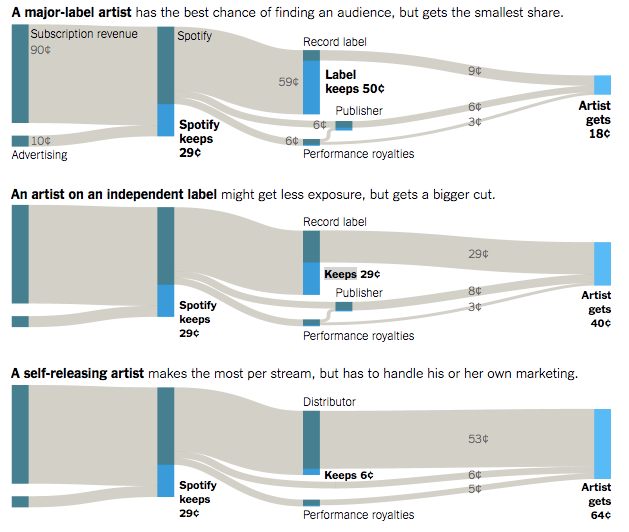
Why We Need to Leave Record Labels Behind in 2020 | Cultured
The Indie label v The Major labels, pros and cons! | The ...

Indie VS Major Record Label: The Major Differences ...
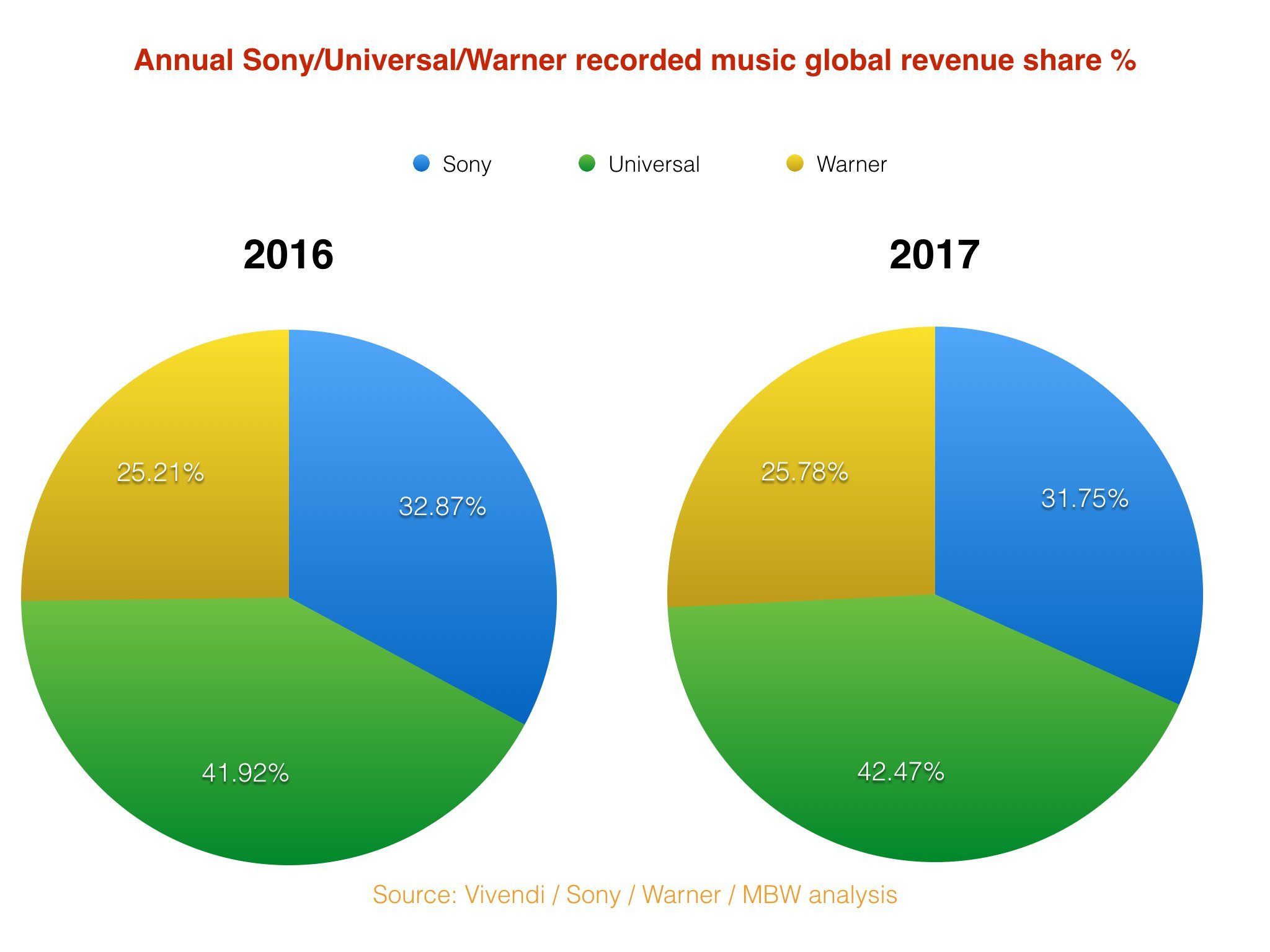
The major labels' revenues grew by $1bn in 2017. But who had ...
what does a record label do for an artist Archives ...

Record Labels and Feedback | a2-media-studies
![How to Start a Record Label [Updated 2022]](https://www.growthink.com/wp-content/uploads/MusicRoyalties_MusicBiz-compressed.jpeg)
How to Start a Record Label [Updated 2022]
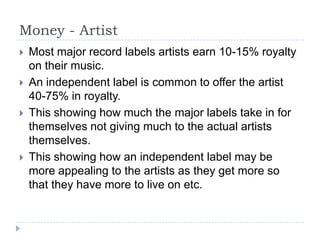
The major differences between a major and an independent ...

Record labels & Modern methods of monetisation | Crefovi
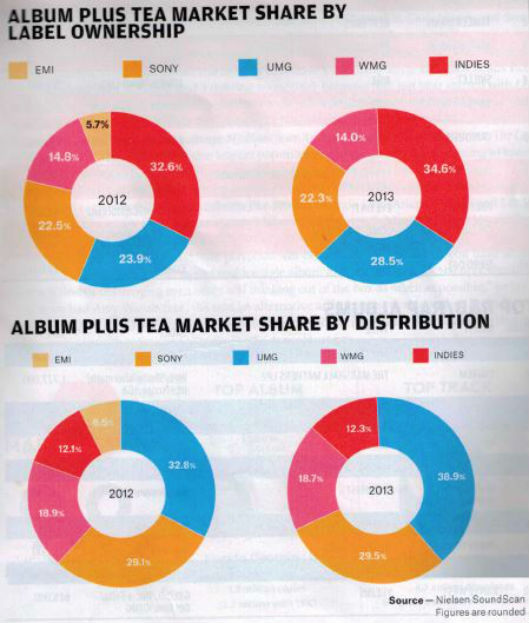
2013 SoundScan Stats - Market Share of Major Record Labels ...
Should I sign to a major record label contract with money ...
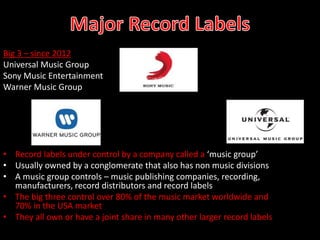
Major Vs Independent Record Labels
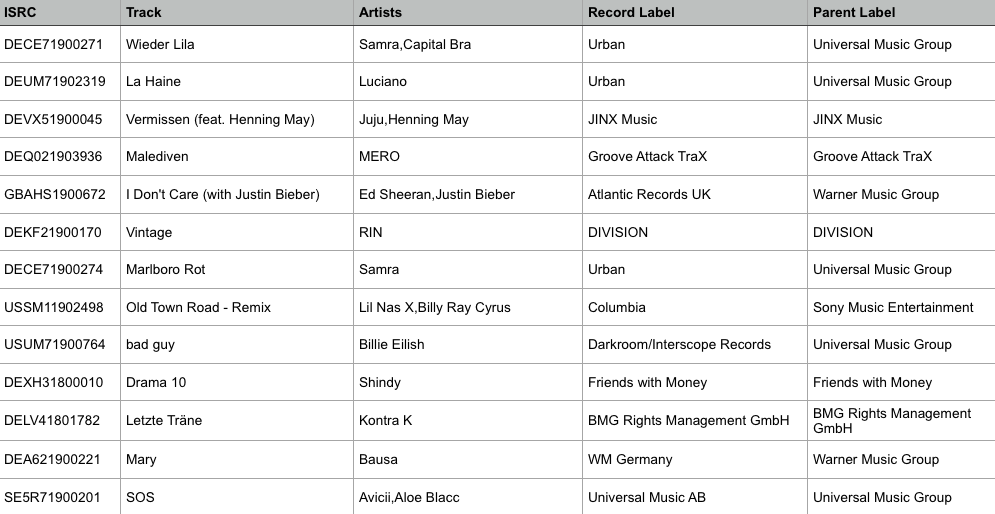
State of the Industry: Major Label vs. Non-Major Label ...
Ep. 03 - Whats the difference between: Major Vs Independent Record Labels Part 1
Independent v major record labels: Do they have the same ...

Running Your Own Record Label: Part 1
Why SK's Music Industry is Dominated By Indie Labels : r/korea
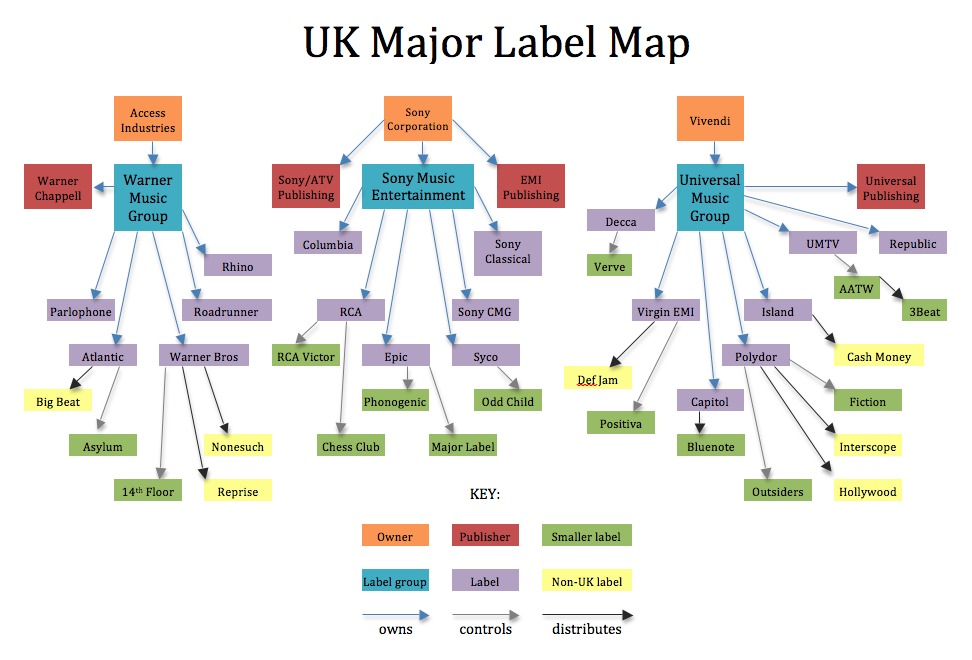
Is John Mayer no longer on a major label? : r/JohnMayer
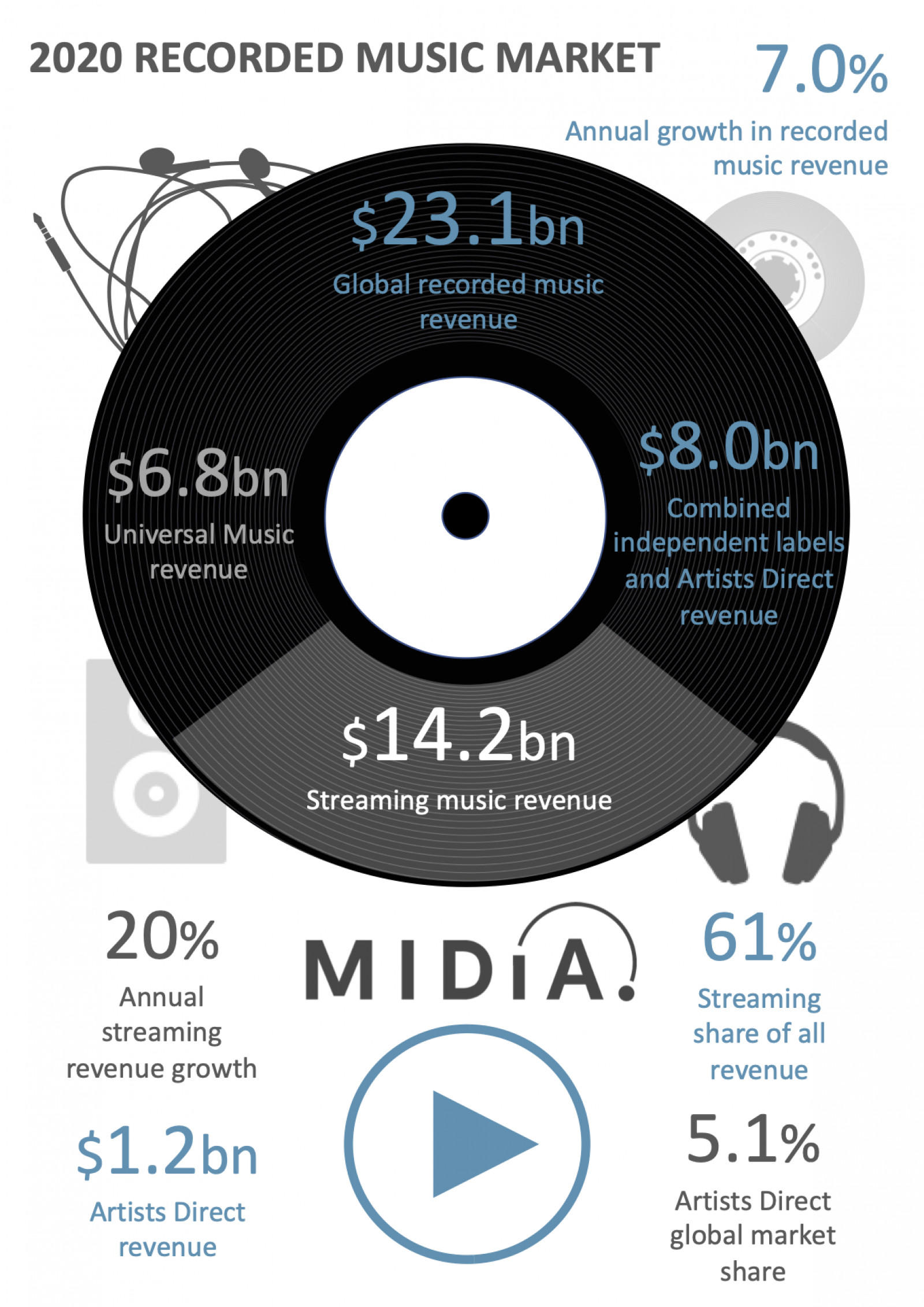
Recorded music revenues hit $23.1 billion in 2020, with ...

piechart | ReverbNation Blog

Indie VS Major Record Label: The Major Differences ...
Post a Comment for "44 major vs independent record labels"